Format: PDF (Printable Document)
File Language: English
File Pages: 522
File Size: 53.19 MB (Speed Download Link)
Brand: Kubota
Model: R510 NEW TYPE
Equipment Type: Wheel Loader
Series: Wheel Loaders (R Series)
Book No: BKIDK0193
Type of Document: Parts Manual
$ 45
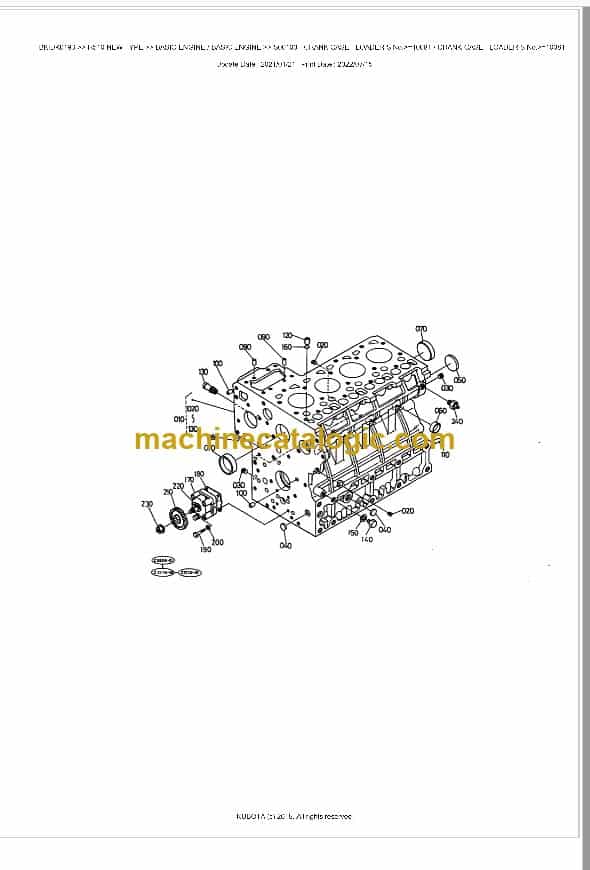
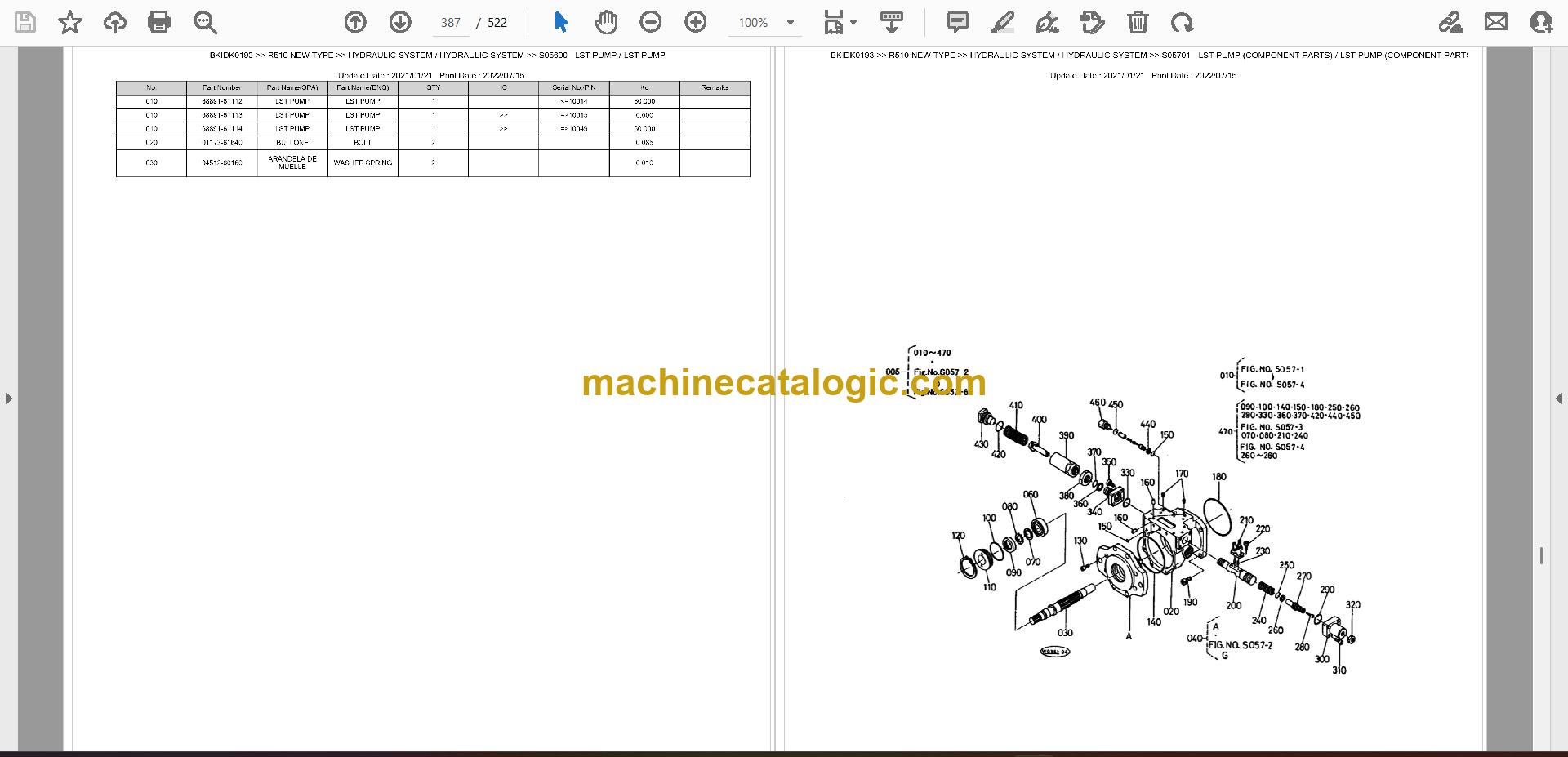
The Kubota R510 NEW TYPE is a compact wheel loader, same orange family as my BX and L3901, just built for loading, snow, and yard work instead of mowing. The Kubota R510 NEW TYPE parts manual is what you grab when you’re trying to see how a loader arm, axle, or hydraulic valve stack is built and what part numbers to order. It’s what I use before I tear into anything, so I can price parts, see every seal and pin, and avoid three trips to the dealer. If you’re expecting repair steps or torque specs, that’s a different book.
What this manual helps you do
Who this is for
This parts manual fits how a farm owner-operator, independent mechanic, or fleet maintenance guy actually works: diagnose on the machine, then sit down and order everything in one shot. If you need torque specs, troubleshooting, or step‑by‑step repair procedures, you want the Kubota Workshop/Service Manual, not this parts catalog.
FAQ
Q: Does this cover the engine, hydraulics, axles, and loader assemblies?
A: Yes, a Kubota parts manual for the R510 NEW TYPE normally shows exploded views and part numbers for the engine, hydraulic system, driveline/axles, loader arms, frame, cab, and electrics.
Q: Are the part numbers in here current, or does it show superseded numbers?
A: The manual lists the OEM numbers used at print time and usually notes superseded numbers, but your dealer’s system is the final word on the latest replacements.
Bottom line: if you’re wrenching on a Kubota R510 NEW TYPE and want diagrams and part numbers to order the right bits the first time, this is the right manual; if you’re after “how to fix it,” keep looking for the Workshop Manual.
Note: Topics above are typical for Kubota parts manuals of this equipment type. The actual manual may contain additional sections and detailed breakdowns.