$ 0
0
$ 0
0

Mustang MTL312, MTL316, MTL320 and MTL325 Compact Track Loader Operator Manual (917300)

Format: PDF (Printable Document)

File Language: English

File Size: 5.40 MB (Speed Download Link)

Brand: Mustang

Models: MTL312, MTL316, MTL320 and MTL325

Machine Type: Compact Track Loader

Publication No.: 917300

Type of Document: Operator Manual (operation, controls, safety and routine maintenance)

Searchable: Yes, text is searchable and copyable

Delivery: Instant download after payment

Categories: ,

$ 40

Share:

Mustang MTL312, MTL316, MTL320 and MTL325 Compact Track Loader Operator Manual (917300)

Before you put anyone in the seat, open the Daily Inspection section of this manual. It is where I start on every compact track loader I prep for sale, and it sits in the Mustang MTL312, MTL316, MTL320 and MTL325 operator manual, which covers all four machines in one book.

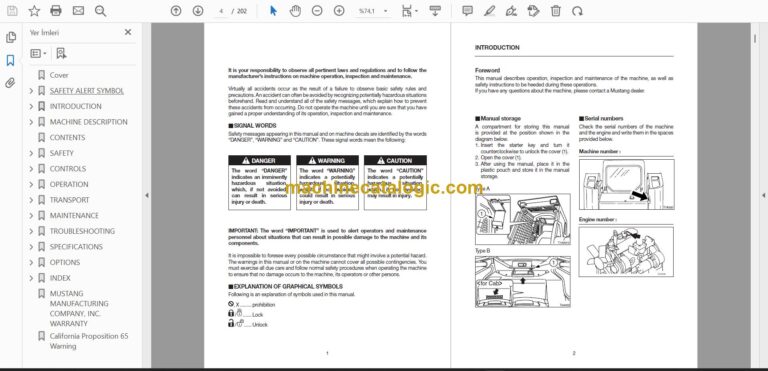
This is publication 917300, in English. It starts with the safety alert symbol, signal words and the introduction, which includes where to find the serial numbers. Then it goes through the machine description, controls, operation and transport, followed by maintenance, troubleshooting and specifications. Handy when a used machine arrives without its book.

What this manual helps you do

  • Start the engine by the book: the Operation chapter has Before Starting Operation and Starting and Stopping the Engine.
  • Operate the machine with the Machine Operation and Operating Procedures sections, and read the notes on Operating in Cold Weather and Using Rubber Tracks.
  • Check the coolant, engine oil and hydraulic oil level using the steps for inspecting and replenishing each one.
  • Adjust the track tension and the fan belt with the Inspecting and Adjusting sections, and the air conditioner belt on the MTL312 option.
  • Look up Tightening Torques, Main Specifications, the Maintenance Chart and the Maintenance Log, and follow the Troubleshooting tables when something acts up.

Who this is for

Fits rental fleets and dealers handing an MTL312, MTL316, MTL320 or MTL325 to a new operator, who can walk through the controls and daily checks together. Owner-operators and buyers of used machines get the service schedule and fluid checks they need.

Print the Maintenance Log page and keep it with the machine.

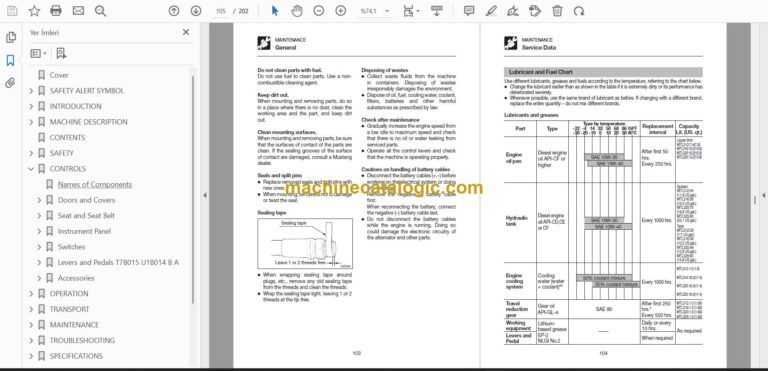
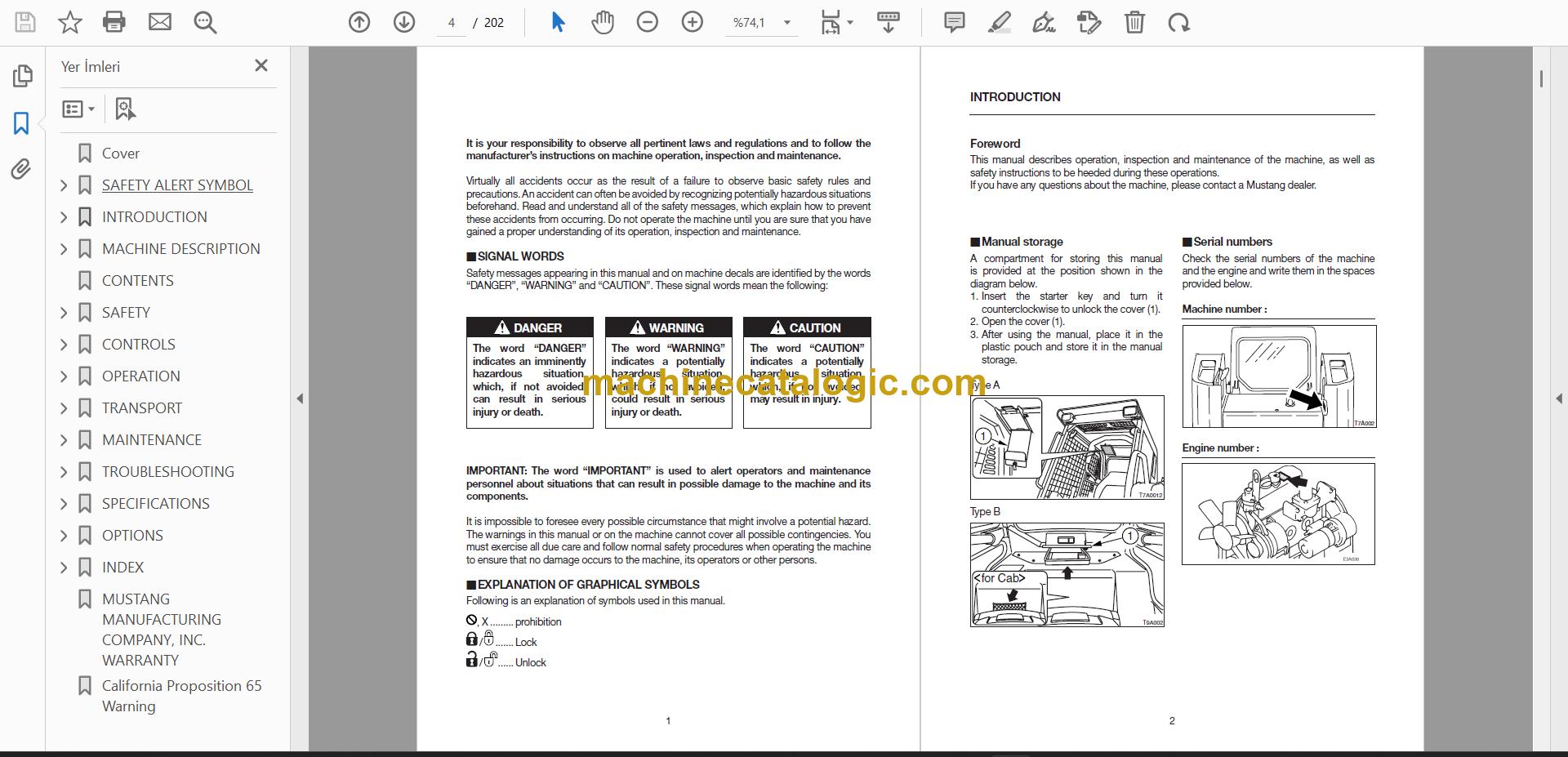
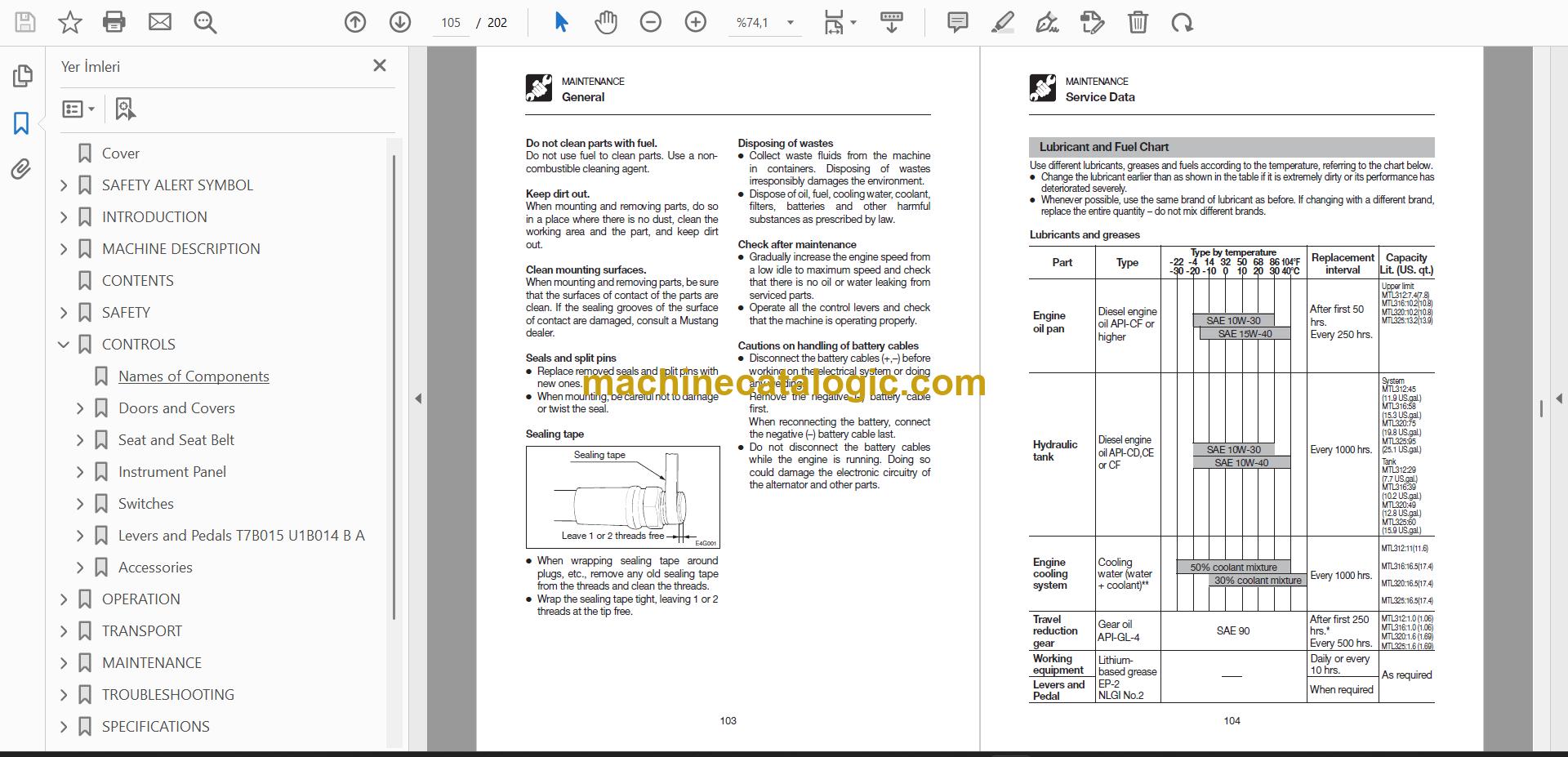
Preview of the Mustang MTL312, MTL316, MTL320 and MTL325 Compact Track Loader Operator Manual (917300) (PDF, sample pages)

Does this manual fit your machine?

Mustang models MTL312, MTL316, MTL320 and MTL325
Machine type Compact Track Loader
Publication No. 917300

Check the model and serial number on your machine’s serial plate before ordering.

What’s inside

  • Troubleshooting: TROUBLESHOOTING
  • Torque values: Tightening Torques
  • Maintenance intervals / schedule: Daily Inspection; Maintenance Chart; Maintenance Log
  • Lubrication, oils, fluids and capacities: Inspecting and Replenishing the Coolant; Inspecting and Replenishing the Engine Oil; Inspecting the Hydraulic Oil Level and Replenishing
  • Technical specifications: SPECIFICATIONS; Main Specifications
  • Adjustments and calibration: Inspecting and Adjusting the Fan Belt; Inspecting and Adjusting the Track Tension; Inspecting and Adjusting the Air Conditioner Belt <MTL312 Option>

FAQ

Where do I find the controls explained?
Open the Controls chapter. It covers Doors and Covers, Seat and Seat Belt, Instrument Panel, Switches, Levers and Pedals, and Accessories.

Which section covers loading the machine on a trailer?
The Transport chapter has Hoisting the Machine and Loading and Unloading. The safety chapter also has Transporting Precautions.

Where are the service intervals?
The Maintenance Chart gives the schedule, Daily Inspection covers the routine checks, and the Maintenance Log is where you record the work.

Does it say what to do with a new machine?
Yes, the Machine Description chapter has a Break-in period section. The Introduction also shows where the serial numbers are located.

📘 Show Index

Table of Contents:

  • SAFETY ALERT SYMBOL
    • SIGNAL WORDS
    • EXPLANATION OF GRAPHICAL SYMBOLS
  • INTRODUCTION
    • Foreword
    • Manual storage
    • Serial numbers
  • MACHINE DESCRIPTION
    • Front, rear, left and right
    • Designated operations
    • Features
    • Break-in period
  • SAFETY
    • General Precautions
      • Observe all safety rules
      • Wear appropriate clothing and personal protective equipment
      • Operating temperature range
      • Provide a fire extinguisher and first aid kit
      • Never remove safety equipment
      • Crush Hazard FOPS Limitations
      • Use a signal person and flagman
      • Avoid fire and explosion hazards
      • Fire prevention
      • Exhaust fumes from the engine can kill
      • Handling asbestos dust
      • Using optional products
      • Product usage
      • Never modify the machine
    • Preparing Precautions
      • Know the working area
      • Check the strength of the bridge
      • Always keep the machine clean
      • Perform inspection and maintenance daily
      • Emergency Exit
    • Starting Precautions
      • Maintain three-point contact when mounting and dismounting
      • Start the engine from the operator’s seat
      • Starting with jumper cables
      • After starting the engine
      • In cold weather
    • Operating Precautions
      • Ensure good visibility
      • Do not permit riders on the machine
      • Keep your body inside the operator’s cab
      • Cautions on traveling and turning
      • Cautions on traveling on slopes
      • Use caution when floating the lift arms
      • Do not drive into materials at high speeds
      • Caution against falling unstable loads
      • Avoid overloading and off-center loads
      • Keep a safe distance from electrical power lines
      • Watch out for hazardous working conditions
      • Travel in narrow or congested places
      • Precautions when passing through tunnels or near high walls
      • Do not drive on soft ground
      • Loaders are NOT designed for lifting loads
      • Danger of flying objects
      • Cautions on towing
    • Stopping Precautions
      • Park safely
    • Transporting Precautions
      • Load and unload the machine safely
      • Transport the machine safely
      • Hoisting the machine safely
    • Maintenance Precautions
      • Attach a “DO NOT OPERATE” tag
      • Use the correct tools
      • Replace important safety parts periodically
      • Anti-explosive lighting
      • Prepare the work area
      • Always clean the machine
      • Stop the engine before performing maintenance
      • Stay clear of moving parts
      • Securely block the raised lift arms
      • Secure the rear door when opened
      • Cautions on tilting up the ROPS
      • Place heavy objects in a stable position
      • Use caution when fueling
      • Handling of hoses
      • Be careful with hot and pressurized components
      • Be careful with hot cooling systems
      • Be careful with fluids under pressure
      • Release all pressure before working on the hydraulic system
      • Be careful with grease under pressure
      • Never disassemble the track adjuster
      • Disconnect the battery
      • Avoid battery hazards
      • Have a Mustang technician repair weld cracks or other damage
      • Safety signs
      • Vibrations to which the operator is subjected
      • Checks after maintenance
      • Disposing of wastes
      • Handling of poisonous chemicals
    • Safety Signs (Decals)
  • CONTROLS
    • Names of Components
    • Doors and Covers
      • Ignition Key
      • Cab Door < MTL312 >
      • Side Window < MTL312 >
      • Engine Hood
      • Rear Door
      • Emergency Exit
      • Lift Arm Stop
      • Fuel Filler Cap
    • Seat and Seat Belt
      • Seat < MTL312 >
      • Seat Belt < MTL312 >
      • Seat < MTL316 / MTL320 / MTL325 >
      • Seat Belt < MTL316 / MTL320 / MTL325 >
    • Instrument Panel
      • Warning Lamps
      • Indicators
      • Meters
      • Engine Fault Warning Lamp < MTL312 / MTL316 / MTL320 >
    • Switches
      • Ignition Switch
      • Horn Button
      • Float Button
      • Auxiliary Hydraulic Switches
      • Light Switches
      • Wiper Switches (Option)
    • Levers and Pedals
      • Safety Bar
      • Throttle Lever
      • Throttle Pedal
      • Right Control Lever
      • Left Control Lever
    • Accessories
      • Interior Light (Option)
      • Auxiliary Hydraulic Lines
      • High-flow Hydraulic System (If Equipped)
  • OPERATION
    • Before Starting Operation
      • Mounting and Dismounting
      • Walk-Around Inspection
      • Daily Inspection
    • Starting and Stopping the Engine
      • Before Starting the Engine
      • Starting the Engine
      • Warming Up the Engine
      • Stopping the Engine
    • Machine Operation
      • Lever Pattern
      • Warming Up the Hydraulics
      • Inspection After Warm-up
      • Operating the Left Control Lever
      • Operating the Right Control Lever
      • Operating the Auxiliary Hydraulics
    • Operating Procedures
      • Prohibited Operations
      • Cautions on Operating
      • Cautions on Traveling on Slopes
      • Operations Possible with this Machine
    • Parking the Machine
      • Parking
      • Inspection and Checks After Stopping the Engine
    • Operating in Cold Weather
      • Preparing for Cold Weather
      • Cautions after Completing Operations
      • After Cold Weather is Over
    • Using Rubber Tracks
      • Prohibited Actions
      • Precautions
  • TRANSPORT
    • Hoisting the Machine
    • Loading and Unloading
    • Securing the Machine
    • Cautions on Transporting
  • MAINTENANCE
    • General
      • Maintenance Description
      • Cautions on Maintenance
    • Service Data
      • Lubricant and Fuel Chart
      • Expendables
      • Tools
      • Tightening Torques
    • Important Parts
    • Maintenance Chart
    • Maintenance Log
    • Walk-Around Inspection
      • Inspecting by Opening the Engine Hood and Rear Door
      • Inspecting by Walking Around the Machine
      • Inspecting While Sitting in the Operator’s Seat
    • Daily Inspection (Every 10 Hours)
      • Inspecting and Replenishing the Coolant
      • Inspecting and Replenishing the Engine Oil
      • Inspecting the Water Separator
      • Inspecting the Fuel Level
      • Inspecting the Hydraulic Oil Level and Replenishing
      • Lubricating the Working Equipment
    • After First 50 Hours (New Machines Only)
      • Replacing the Hydraulic Oil Return Filter
      • Replacing the Engine Oil and Oil Filter
      • Inspecting and Adjusting the Fan Belt
      • Replacing the Pilot Line Filter
    • Every 50 Hours
      • Inspecting and Adjusting the Track Tension
      • Inspecting the Battery Fluid Level and Replenishing
      • Draining the Fuel Tank
      • Inspecting the Bucket Stoppers (bolts / nuts)
    • Every 100 Hours
      • Cleaning the Water Separator
    • After First 250 Hours (New Machines Only)
      • Replacing the Travel Motor Gear Oil
    • Every 250 Hours
      • Replacing the Air Cleaner Elements
      • Cleaning the Radiator Fins and Oil Cooler Fins
      • Replacing the Engine Oil and Oil Filter
      • Inspecting and Adjusting the Fan Belt
      • Cleaning the Condenser <MTL312 Option>
      • Inspecting and Adjusting the Air Conditioner Belt <MTL312 Option>
    • Every 500 Hours
      • Replacing the Fuel Filter
      • Replacing the Hydraulic Oil Return Filter
      • Replacing the Pilot Line Filter
      • Replacing the Travel Motor Gear Oil
      • Adjusting or Replacing the Bucket Stoppers (bolts / nuts)
    • Every 1000 Hours
      • Cleaning the Engine Cooling System
      • Replacing the Hydraulic Oil and Cleaning the Suction Strainer
      • Inspecting and Adjusting the Engine Valve Clearance
      • Retightening the Engine Cylinder Head Bolts
    • Every 1500 Hours
      • Inspecting and Cleaning the Engine Fuel Injectors
      • Inspecting the Crankcase Breather System
    • Every 2000 Hours
      • Lapping the Engine Valve Seats
    • Every 3000 Hours
      • Inspecting the Turbocharger (Blower wash as necessary) <MTL312 / MTL320 / MTL325>
      • Inspecting and Cleaning the EGR Valve, Lead Valve and Cooler
    • When Required
      • Replacing the Bucket or Attachment
      • Lubricating the Levers
      • Inspecting and Replenishing the Windshield Washer Fluid
      • Tilting Up the ROPS
      • Inspecting the Rubber Tracks
    • Long-term Storage
  • TROUBLESHOOTING
    • Symptoms that Are Not Malfunctions
    • If the Engine Overheats
    • If the Battery Goes Dead
    • After the Fuel Runs Out
      • Bleeding the Air from the Fuel System
    • If a Fuse Blows
      • Inspecting and Replacing Fuses
      • Inspecting the Fusible Link
    • If a Warning Lamp Flashes
    • Other Symptoms
    • To Lower the Lift Arms
    • Towing
  • SPECIFICATIONS
    • Main Specifications
    • Machine Dimensions
    • Operating Range
  • OPTIONS
    • General Precautions
      • Precautions on Safety
      • Precautions on Installing Attachments
      • Precautions on Operating Attachments
    • Air Conditioner < MTL312 >
      • CAUTIONS ON USE
      • Ventilate periodically
      • Always maintain good visibility
      • Do not overcool
      • Let hot air out first
      • Caution on refrigerant (gas)
      • NAMES OF COMPONENTS
      • Air Conditioner Switch
      • Temperature Control Dial
      • Fan Switch
      • Outlets
      • OPERATION
      • Cooling
      • Defogging the Windows
      • INSPECTION AND MAINTENANCE
      • Cleaning the Condenser
      • Inspecting and Adjusting the Air Conditioner Belt
      • Cleaning the Filter
      • Inspecting the Refrigerant (gas) Level
      • Off-Season Inspection
      • Condition of the refrigerant
  • INDEX
  • MUSTANG MANUFACTURING COMPANY, INC. WARRANTY
  • California Proposition 65 Warning

Mustang PDF Manuals

Related Manuals

0
0
Your Cart
Your cart is emptyReturn to Shop